
The brand Breakdown: What Shoppers Are Actually Saying
People vetting a clothing brand before spending money want the same thing: honest signals about fit, fabric, durability, and whether the company makes good on what it sells. We Are Righteous has made a name for itself in the streetwear-meets-faith-based apparel space, and those typing “righteous review” or “we are righteous review” into a search bar are generally working out a simple question — does the product match the branding? This article pulls together what customers, forum threads, and comparison shoppers frequently note about the righteous clothing brand, without inflating claims the brand itself hasn’t made public.
No size charts will be fabricated here if they weren’t confirmed. In their place, the focus turns to recurring themes in reviews, how the brand positions itself, and useful factors for anyone weighing whether to order a righteous hoodie or other pieces from the righteous apparel lineup.
What Does We Are Righteous Actually Sell, and Who Are They?
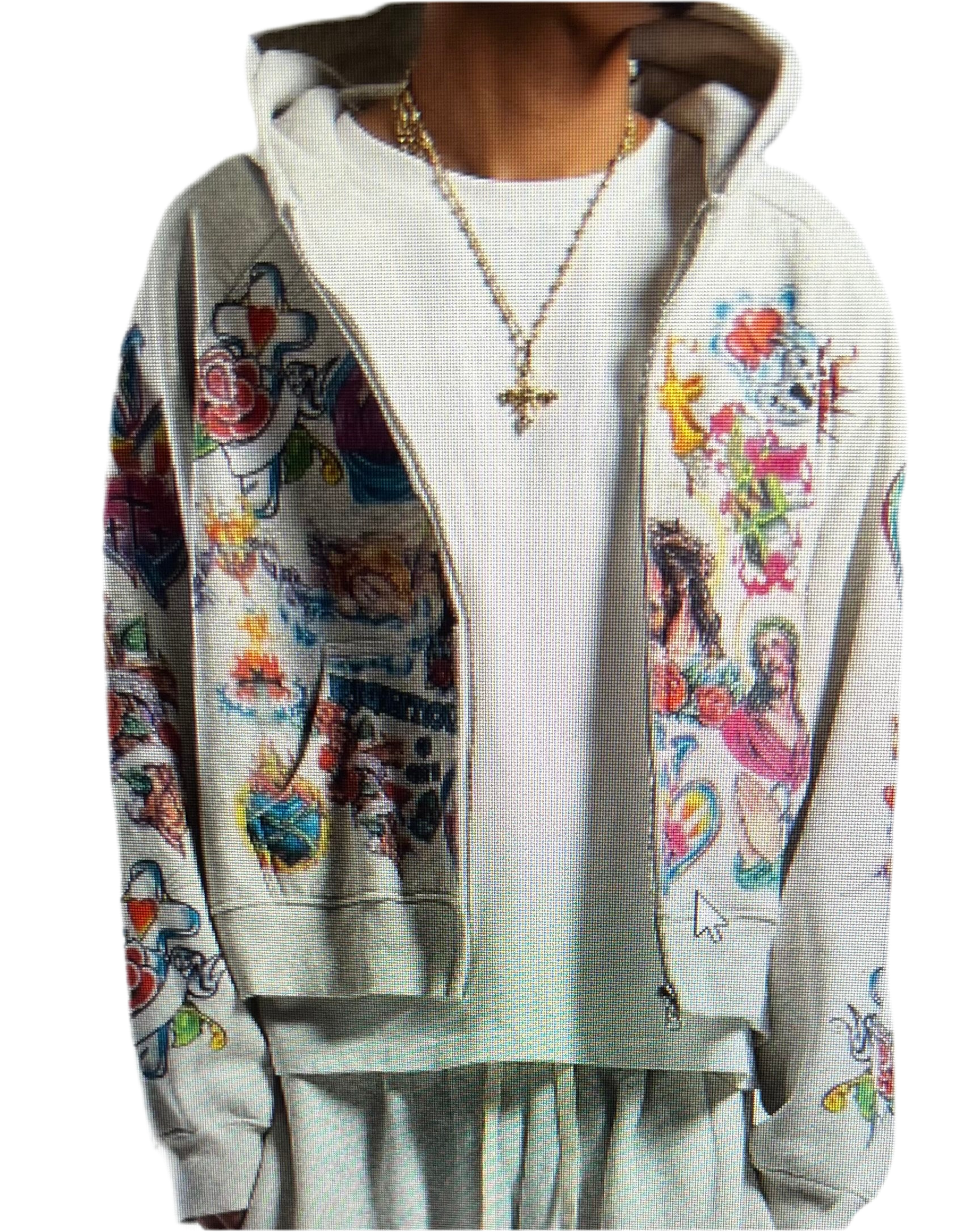
Functioning as an apparel label built around a message-driven identity, We Are Righteous fuses streetwear silhouettes with faith-forward branding. Hoodies, tees, and outerwear pieces meant to showcase bold graphics or scripture-adjacent messaging — rather than subtle logos — usually anchor the core catalog. As a result, the brand comes across less as a basic essentials shop and more like a statement-piece label, comparable to how many mission-driven streetwear companies operate in 2026.
Buyers interested in righteous clothing are often looking for a particular thing: apparel that mirrors their beliefs without sacrificing the fit and construction they expect from modern streetwear. That dual demand — meaning plus quality — is where most reviews tend to focus their attention. Shoppers rarely just ask “does it look good in photos.” They ask whether the hoodie keeps its form after five washes, whether the print degrades, and whether sizing matches expectations.
Functioning primarily through direct-to-consumer sales — typical for independent apparel labels — the brand’s online presence makes customer service responsiveness and shipping transparency equally important to the buying decision https://righteous-apparel.com/ as the product photos themselves. Reviews mentioning “we are righteous brand” generally divide into two buckets: those assessing the clothing itself, and those evaluating the ordering experience.
Fit and Quality: What the Feedback Shows
The gap between expected fit and actual fit is the most consistent theme across customer feedback for the righteous hoodie line. Because streetwear-style hoodies often run in oversized or boxy cuts, reviewers repeatedly mention that first-time buyers should carefully check the size specs before ordering, given that brand-to-brand sizing almost never lines up exactly. Though this pattern extends beyond We Are Righteous — it shows up across the entire independent streetwear category — it comes up often enough in righteous review discussions to be worth flagging directly.
Fabric weight is another recurring topic. Heavier hoodies tend to earn praise for structure and warmth, while lighter pieces get mentioned more often in the context of layering or transitional weather. Customers evaluating any apparel brand in this niche tend to weigh three things above all else:
- The way the piece feels straight away upon opening the box
- If the fit corresponds to the option picked at checkout
- How the material and graphic perform after repeated washes
Print and graphic durability is where message-driven apparel brands are judged most harshly, because the entire value proposition often centers on the design itself. If a graphic cracks, peels, or fades early, it undermines the core reason someone bought the piece in the first place. Reviewers consistently reward brands that use higher-quality print methods, and this is a detail worth confirming directly with We Are Righteous’s product descriptions before purchase, since techniques can vary between drops or collections.
Comparing We Are Righteous Versus Comparable Clothing Labels
Positioning We Are Righteous against other message-driven or faith-based streetwear labels helps clarify where it fits in the broader market. The table below reflects general category patterns reported by customers across similar independent apparel brands, rather than confirmed specifics unique to any single company, since exact pricing and material details should always be verified on the brand’s current product pages.
| Category | We Are Righteous | Common Independently-Run Streetwear Company | Typical Faith-Based Apparel Brand |
|---|---|---|---|
| Core Identity | A faith-centered take on streetwear | Trend-led at its core | Driven by message and scripture |
| Common Product Focus | Hoodies, tees, outerwear | Tees, hoodies, and accessories | Tees, hoodies, hats |
| Sales Model | Sold directly to consumers via the web | Either DTC or a hybrid retail model | Direct-to-consumer online |
| Key Customer Priority | Consistent fit paired with long-lasting print quality | Trend timing and release availability | How well the message lands, plus comfort |
| Usual Reason to Buy | Values alignment plus style | A stylish look plus limited availability | A sense of personal or community identity |
What stands out here is that We Are Righteous lands in a middle lane — it’s neither a hype-driven streetwear brand, nor is it a strictly devotional apparel company. This dual nature is likely its chief edge, and it’s a primary reason the brand pulls in a distinct and devoted following rather than fleeting, single-purchase customers.
Shipping, Sizing, and Customer Service Feedback
Fulfillment consistency is what makes or breaks independent apparel brands, and We Are Righteous follows the same rule. Buyers who check out the brand beforehand commonly want clarity on three practical concerns: the turnaround time for shipping, how true-to-size the pieces are compared to usual charts, and the level of responsiveness from support when problems come up. Because there’s no in-person fitting room to fall back on, these issues carry greater weight for a direct-to-consumer label than for a traditional storefront chain.
When assessing any fashion company’s delivery track record, it helps to focus on patterns instead of one-off grievances. A few negative reviews about delayed shipping is typical across nearly every small-and-mid-sized clothing brands, especially during high-demand launches. The more important question is whether the company communicates delays proactively and resolves size mismatches or damaged-item concerns without friction. Shoppers should always check We Are Righteous’s present delivery policy and sizing chart right on the product listing before completing an order, since these details can vary between collections.
The same level of examination belongs to rules for returns and exchanges. A label that renders its terms readily accessible and straightforward to use tends to earn more trust, even for those who never end up relying on it. For those sizing up “righteous clothing brand” versus other brands, verifying the return deadline and condition criteria before checkout is a simple step that prevents most post-sale frustration.
Come 2026, Does We Are Righteous Still Worth Buying?
The real answer comes down to what a shopper values most. If someone wants apparel that visibly communicates faith and identity while still looking like modern streetwear, We Are Righteous addresses a gap that larger fast-fashion brands largely overlook. Rather than winning through being cheap or widely stocked, the brand distinguishes itself through a specific mix of look and message crafted for a specific audience.
For first-time buyers, the smartest approach is kicking off with just one item — usually a hoodie or tee — rather than a entire multi-item order. This lets a buyer to check fit, fabric feel, and print quality for themselves before ordering additional pieces. Guidance echoed in numerous trustworthy review discussions backs this up: try the item on a smaller scale, confirm your measurements against the sizing, and attentively go through current product descriptions, since details can shift between collections and restocks.
Ultimately, conversations about We Are Righteous tend to converge on a fair conclusion: the label makes good on its central identity — substantive, faith-inspired street style — and the bulk of praise or complaint is a matter of standard apparel variables like sizing accuracy and shipping timing rather than any fundamental flaw in the concept.
If you’re still weighing the choice, examining the label’s newest product listings and customer policies and guidelines continues to be the smartest move before adding that righteous hoodie or anything else from the range to the cart.
Comments are closed